Common Warehouse Challenges and How Material Handling Equipment Solves Them
With the rising demand for e-commerce goods nationwide, modern warehouses play a crucial role in supply chain efficiency, acting as storage hubs for unsold products before they are shipped to customers. However, as businesses grow and customer expectations continue to rise, warehouse operators are under increasing pressure to improve productivity, maximize storage space, reduce costs, and maintain workplace safety simultaneously. As a result, many warehouses face operational bottlenecks that impact both efficiency and profitability.
Fortunately, the right material handling equipment (MHE) can help businesses overcome these challenges and support a more streamlined warehouse operation. From forklifts and pallet trucks to racking systems and automated solutions, investing in suitable equipment can significantly enhance workflow and overall operational performance.
In this article, we will explore the most common warehouse challenges and how material handling equipment provides practical solutions.
Forklift Repair and Maintenance Services
1. Limited Storage Capacity
One of the biggest challenges faced by warehouses today is insufficient storage space. As inventory levels increase, businesses often find themselves running out of room to store goods, which leads to overcrowded aisles, inefficient inventory organization, and difficulties in stock retrieval.
Limited storage capacity can result in the following:
- Reduced operational efficiency
- Longer picking times
- Increased risk of product damage
- Higher storage costs
- Difficulty managing seasonal inventory fluctuations
How Material Handling Equipment Helps
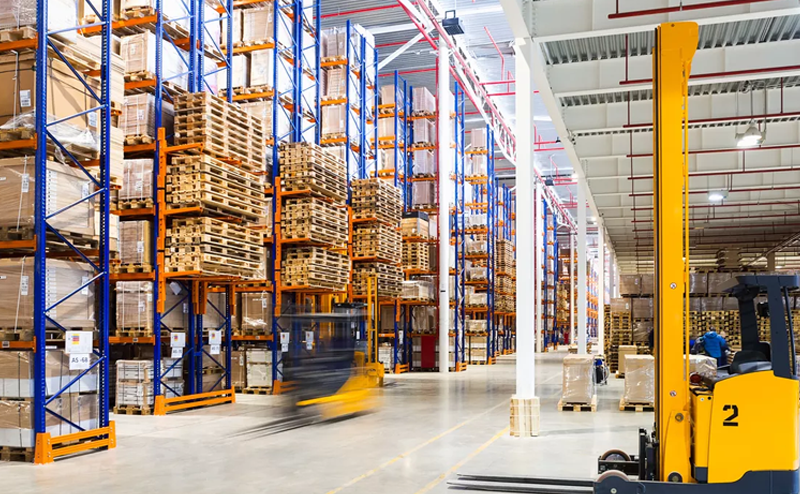
Material handling equipment enables warehouses to maximize both vertical and horizontal storage space more effectively.
Solutions include:
Reach Trucks
Reach trucks are specifically designed for high-rack storage environments.
Their extended lifting capabilities allow operators to access pallets stored at greater heights and stack them on top of each other, thereby maximizing vertical warehouse space.
Narrow Aisle Forklifts
These forklifts are engineered to operate efficiently in tighter spaces, allowing businesses to reduce aisle widths and increase storage density.
Pallet Racking Systems
Modern racking solutions improve inventory organization and make better use of available warehouse space by optimizing storage layouts and utilizing specialized equipment, enabling warehouses to accommodate more inventory while maintaining smooth operational flow without requiring facility expansion.
Ready to make better use of your warehouse space? Visit our webpage to learn more about our material handling equipment and discover ways that can help you improve storage efficiency and daily operations.
2. Slow Loading and Unloading Processes
Loading and unloading goods are among the most time-sensitive warehouse operations. Delays at loading bays can disrupt supply chain schedules, increase transportation costs, and reduce customer satisfaction.
Common causes of slow loading and unloading include:
- Manual handling inefficiencies
- Poor dock organization
- Inadequate lifting equipment
- High-volume shipment demands
- Limited workforce availability
How Material Handling Equipment Helps
The right equipment can significantly reduce loading and unloading times.
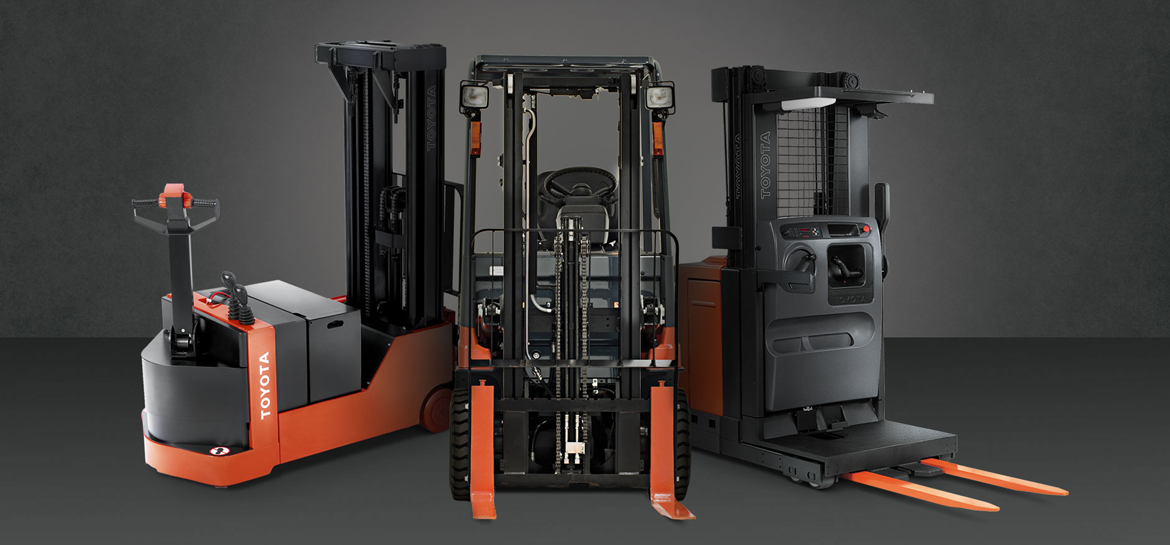
Forklifts
Forklifts help speed up the relocation of palletized goods between trucks and storage locations. They reduce manual labour requirements and improve handling speed.
Electric Pallet Trucks
Electric pallet trucks enable operators to transport goods quickly and efficiently, especially for short-distance movements within warehouses and loading docks.
Dock Levelers and Loading Equipment
Dock equipment helps bridge height differences between vehicles and warehouse floors, ensuring smoother movement of goods and minimizing delays.
Conveyor Systems
For facilities with high shipment volumes, conveyor systems automate product movement and reduce the need for manual transportation.
These methods improve turnaround times, increase productivity, and ensure goods move efficiently through the supply chain.
Still not sure about what equipment suits you best? Click here to contact us, and we’ll help you in your predicament.
3. Labour Shortages and Rising Workforce Costs
Labour shortages have become a growing concern across the logistics and warehousing industry, making it more difficult to hire skilled warehouse workers. At the same time, rising labour costs place additional pressure on operating budgets.
Labour-related challenges often include:
- Difficulty hiring qualified operators
- High employee turnover
- Increased overtime costs
- Reduced operational capacity
- Productivity inconsistencies
How Material Handling Equipment Helps
Material handling equipment enables warehouses to achieve more with fewer workers.
Electric Forklifts
Electric forklifts improve operational efficiency while reducing physical strain on workers. A single forklift operator can move significantly more inventory compared to manual handling methods.
Automated Material Handling Systems
Automation technologies reduce dependence on manual labour by streamlining repetitive warehouse tasks.
Order Picking Equipment
Specialized order pickers enable workers to retrieve products more efficiently, improving picking accuracy and reducing fulfilment times.
Battery-Powered Equipment
Modern battery-powered equipment reduces operator fatigue and improves productivity throughout shifts.
By enhancing workforce productivity, businesses can better manage labour shortages while maintaining operational performance. Click Here for more information.
4. Workplace Safety Concerns
Warehouse environments are a place known for their environmental safety risks. Heavy loads, vehicle traffic, elevated storage systems, and fast-paced operations are all potential danger risk to staff personel if not properly managed.
Common warehouse safety concerns include:
- Forklift collisions
- Falling inventory
- Manual handling injuries
- Slips, trips, and falls
- Equipment-related accidents
One should always be wary of workplace injuries as it can lead to lost productivity, compensation costs, regulatory penalties, and reputational damage.
Forklift Rentals
How Material Handling Equipment Helps
Modern material handling equipment is equipped with advanced safety features to reduce workplace risks.
Electric Forklifts with Safety Systems
Many modern forklifts include features such as speed control, automatic braking, stability systems, and operator presence sensors.
Pallet Jacks with Ergonomics
Ergonomic designs reduce strain on workers and help minimize the risk of musculoskeletal injuries.
Safety Accessories & Attachments
Warning lights, reverse alarms, cameras, and pedestrian detection systems improve visibility and awareness in busy warehouse environments.
Proper Storage Equipment
Quality racking systems and pallet management solutions help prevent inventory collapse and falling objects.
Material handling equipment, combined with proper training and safety protocols, plays a key role in creating a safer workplace.
Want to keep your warehouse safe from accidents and reduce the need for more manpower? Visit our webpage to explore our range of material handling solutions
Case Examples of Improved Productivity
Example 1: Maximizing Storage Capacity
A growing distribution company faced storage constraints due to increasing inventory levels.
By introducing reach trucks and redesigning its racking system, the company increased vertical storage utilization and expanded capacity without relocating to a larger facility.
Results included:
- Increased storage capacity
- Improved inventory organization
- Faster stock retrieval times
- Reduced warehouse congestion
Example 2: Faster Loading Operations
A logistics provider experienced delays during truck loading and unloading, resulting in transportation bottlenecks.
After implementing electric pallet trucks and upgrading dock equipment, loading times were significantly reduced.
Benefits achieved included:
- Faster vehicle turnaround
- Increased daily shipment capacity
- Reduced labour requirements
- Improved customer delivery performance
Example 3: Addressing Labour Challenges
A warehouse facing workforce shortages invested in electric forklifts and optimized material flow processes. The company was able to maintain output levels despite fewer available workers.
Key improvements included:
- Higher productivity per employee
- Reduced physical workload
- Improved operational efficiency
- Lower overtime costs
These examples demonstrate how strategic investment in material handling equipment can deliver measurable operational improvements.
Choosing the Right Equipment Based on Warehouse Size
Warehouses vary in size and operational requirements. Therefore, selecting the correct material handling equipment is essential. Otherwise, it may not be effective for storing or retrieving items.
All material handling equipment should be selected based on facility size, inventory volume, operational complexity, and long-term growth objectives.
Small Warehouses
For smaller facilities, cost-effective and versatile equipment is often most suitable.
Recommended equipment:
- Manual pallet trucks
- Electric pallet trucks
- Compact electric forklifts
- Basic racking systems
These solutions provide efficient material movement without requiring significant capital investment.
Medium-Sized Warehouses
As operations expand, more advanced handling capabilities are typically required.
Recommended equipment:
- Counterbalance forklifts
- Reach trucks
- Order pickers
- High-density storage systems
These solutions improve storage utilization and support higher inventory throughput.
Large Distribution Centres
Large warehouses and distribution hubs often benefit from specialised and automated solutions.
Recommended equipment:
- High-capacity forklifts
- Narrow aisle trucks
- Conveyor systems
- Automated storage and retrieval systems (ASRS)
- Warehouse management system integration
These technologies maximize productivity, reduce labor dependency, and support large-scale operations.
Conclusion
Running a warehouse efficiently is essential for keeping supply chains moving and maintaining business competitiveness. However, many warehouses still face challenges such as limited storage space, delays in loading and unloading, labor shortages, and safety concerns, all of which can impact overall performance.
Material handling equipment plays an important role in addressing these challenges. It helps optimize space usage, speed up daily operations, reduce manual effort, and improve workplace safety. From small facilities to large distribution centers, the right setup can significantly improve operational efficiency.
When businesses invest in the right solutions, they not only improve efficiency but also enhance service quality, reliability, and long-term growth.Learn more and explore insights on our LinkedIn page.
Reach Out for Forklift, BT Reach Truck or Material Handling Needs!
Stay updated with SG Equipment's forklift products, electric forklifts, BT reach trucks, engine-powered forklifts, and material handling innovations.