BT Reach Truck vs Forklift: Which Is Better for Your Warehouse?
Choosing the right material handling equipment is essential for maintaining an efficient, productive and well-organised warehouse. Whether you manage a manufacturing facility, distribution centre, logistics operation or storage warehouse, having the right equipment can make a significant difference in how goods are transported, stored and retrieved.
Two common options businesses consider are BT Reach Trucks and conventional forklifts. Although both are designed to handle palletised goods and support warehouse operations, they have different designs, capabilities and ideal applications.
So, which one is better for your warehouse? The answer depends on several factors, including your warehouse layout, available aisle space, storage rack height, load requirements and operating environment. Understanding the differences between a BT Reach Truck and a conventional counterbalance forklift can help you make a more informed investment decision.
What Is a BT Reach Truck?
A BT Reach Truck is a type of electric forklift specifically designed for warehouse operations that require efficient pallet handling in narrow aisles and high-rack storage environments.
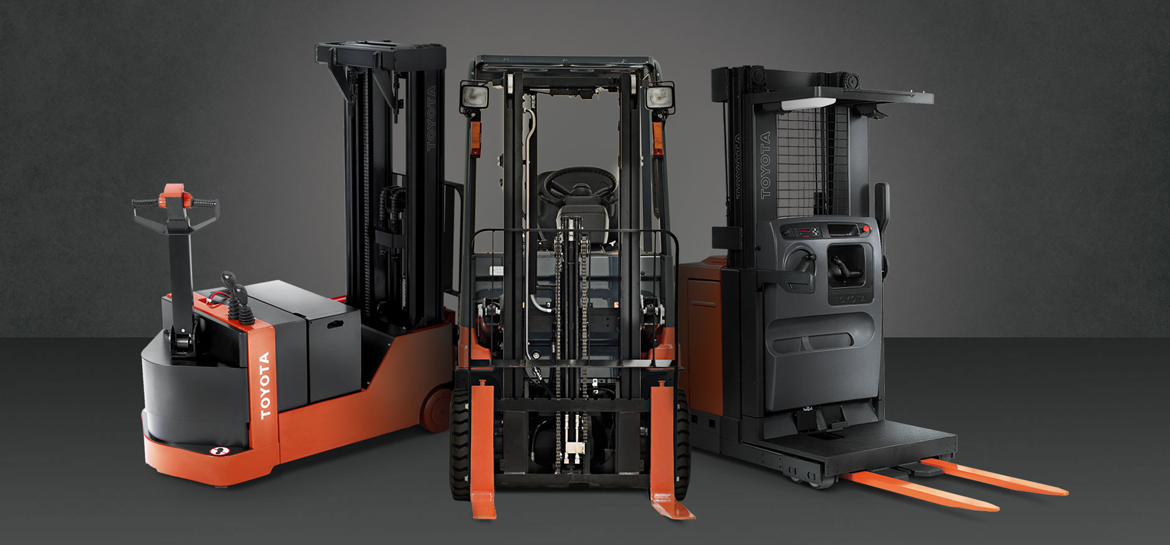
Unlike conventional counterbalance forklifts, reach trucks feature a specialised mast mechanism that allows the forks to extend forward to retrieve or place pallets within storage racks. Their compact design and stabilising legs allow them to manoeuvre in relatively narrow spaces while handling loads at considerable heights.
The Electric Reach Truck / Battery Reach Truck (Stand-On), for example, offers different configurations designed for various warehouse requirements, including narrow-aisle applications and high-lift operations. Also, bear in mind that depending on the model, BT Reach Trucks offer features such as:
- Compact chassis designs for confined warehouse spaces.
- Reach mechanisms for accessing pallet racking.
- Electric power for indoor warehouse applications.
- High lifting capabilities for vertical storage.
- Ergonomic operator controls and visibility features.
- Different load capacities to suit varying material handling requirements.
These characteristics make BT Reach Trucks particularly suitable for warehouses that prioritise storage density, vertical space utilisation and efficient pallet retrieval. Browse our Battery Reach Trucks now!
What Is a Conventional Forklift?
A conventional forklift, commonly referring to a counterbalance forklift, is a versatile material handling vehicle designed to lift, transport and position heavy loads using front-mounted forks.
It operates using a counterweight at the rear of the vehicle to balance the weight of the load being carried at the front. This design allows forklifts to handle various materials and perform different material handling tasks across warehouses, loading areas, manufacturing facilities and outdoor environments.
Depending on the model and configuration, conventional forklifts may operate using electric batteries, diesel or LPG power.
Some common applications include:
- Loading and unloading goods from delivery trucks.
- Moving pallets between warehouse sections.
- Transporting raw materials and finished products.
- Handling heavy loads in manufacturing facilities.
- Moving goods around outdoor storage and loading areas.
Their versatility makes conventional forklifts a practical option for businesses that require general-purpose material handling equipment across different working environments.
BT Reach Truck vs Forklift: What Are the Key Differences?
Although both machines serve similar material handling purposes, their designs and operating capabilities make them suitable for different warehouse requirements. Here are some of the main differences to consider.
1. Warehouse Aisle Width and Manoeuvrability
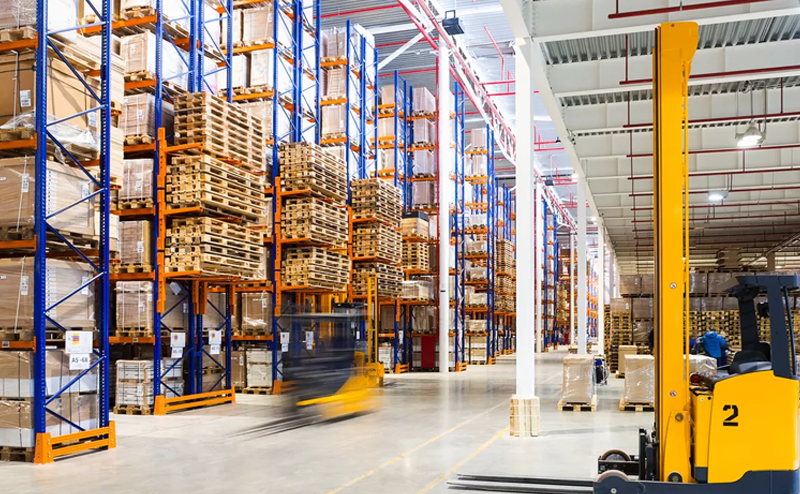
One of the biggest differences between BT Reach Trucks and conventional forklifts is their ability to operate in confined spaces. BT Reach Trucks are designed to work in narrow warehouse aisles, allowing businesses to optimise their storage layout without requiring excessively wide spaces for equipment movement. Their compact chassis and specialised steering systems make them suitable for navigating between closely positioned pallet racks.
Conventional forklifts generally require wider operating aisles because of their larger turning requirements and counterbalance design. This may limit the number of storage racks that can be accommodated within a warehouse.
Which is better?
BT Reach Trucks are generally the better option for warehouses with narrow aisles and high-density storage layouts. Conventional forklifts are more suitable when there is sufficient manoeuvring space.
2. Lifting Height and Vertical Storage
For warehouses with high storage racks, lifting height is another important consideration.
BT Reach Trucks are designed to handle palletised goods at considerable heights while operating within narrow aisles. Certain BT Reflex models offer lifting heights of up to approximately 11 metres, depending on the model and configuration.
Conventional forklifts can also lift goods onto storage racks, but their suitability for high-rack operations depends on the truck's specifications, mast configuration, load capacity and warehouse layout.
Which is better?
BT Reach Trucks are generally more suitable for high-rack warehouse storage, particularly when businesses want to maximise vertical storage space.
3. Load Handling and Capacity
Both BT Reach Trucks and conventional forklifts can handle palletised goods, but their load-handling capabilities vary depending on the equipment model. BT Reach Trucks are commonly used for handling palletised goods within warehouse racking systems. They are available in different load capacities to accommodate various storage and retrieval requirements.
Conventional forklifts are available in a wider range of configurations and capacities, making them suitable for different material handling applications, including heavier loads and certain specialised lifting requirements. When comparing equipment, businesses should consider more than the maximum rated load capacity. The load centre, lifting height, attachments and residual capacity at the required working height are equally important.
Which is better?
The choice depends on the weight, dimensions and type of materials being handled. Conventional forklifts may be preferable for certain heavy-duty applications, while BT Reach Trucks are well suited to pallet handling within warehouse racking systems.
4. Indoor vs Outdoor Applications
The working environment also plays an important role when selecting material handling equipment. BT Reach Trucks are primarily designed for indoor warehouse applications, particularly facilities with smooth, level flooring and organised racking systems. Their electric operation makes them suitable for enclosed environments where businesses want to minimise exhaust emissions from their material handling equipment.
Conventional forklifts offer greater flexibility across different working environments, depending on their power source, tyres and specifications. Certain models are designed to operate both indoors and outdoors, including loading bays, yards and other material handling areas.
Which is better?
BT Reach Trucks are generally more suitable for indoor warehouse operations. Conventional forklifts may be the better option for businesses that regularly move goods between indoor and outdoor working areas.
5. Warehouse Storage Efficiency
Warehouse space is a valuable business resource. Making better use of available floor space can help businesses accommodate more inventory without necessarily expanding their existing facilities. BT Reach Trucks support high-density storage by allowing operations to use narrower aisles and higher pallet racking systems. This can help businesses increase their storage capacity within the same warehouse footprint.
Conventional forklifts, on the other hand, generally require more clearance for turning and manoeuvring. As a result, warehouse layouts may need wider aisles, potentially reducing the space available for storage.
Which is better?
BT Reach Trucks are generally more advantageous for businesses looking to maximise warehouse storage density. However, the actual benefits depend on the warehouse layout, racking configuration and equipment requirements.
BT Reach Truck vs Forklift: Comparison at a Glance
|
Comparison |
BT Reach Truck |
Conventional Forklift |
|
Primary application |
High-density warehouse storage |
General material handling |
|
Aisle requirements |
Narrower aisles |
Generally wider aisles |
|
Lifting height |
Designed for high-rack operations |
Depends on mast and model |
|
Manoeuvrability |
Excellent in confined warehouse spaces |
Better suited to open working areas |
|
Load handling |
Primarily palletised warehouse goods |
Various loads and applications |
|
Power options |
Electric |
Electric, diesel or LPG, depending on model |
|
Working environment |
Primarily indoor |
Indoor and outdoor, depending on model |
|
Storage efficiency |
Supports high-density storage |
Requires more manoeuvring clearance |
Note: Actual performance, lifting capacity, aisle requirements and operating suitability depend on the specific equipment model and configuration.
When Should You Choose a BT Reach Truck for Your Warehouse?
A BT Reach Truck may be the more suitable investment if your warehouse operations involve high-density storage, narrow aisles and frequent pallet handling at elevated heights. Here are some situations where a BT Reach Truck may provide greater operational advantages:
1. Warehouses with Limited Floor Space
If your warehouse has limited floor space, a BT Reach Truck can help optimise storage arrangements by supporting narrower aisle configurations. This allows businesses to make better use of their existing warehouse footprint.
2. Facilities with High-Rack Storage Systems
Warehouses that rely on vertical storage can benefit from reach trucks designed to retrieve and position pallets at considerable heights. This is particularly relevant for distribution centres, logistics facilities and businesses managing large inventory volumes.
3. Businesses with Frequent Pallet Retrieval Operations
For warehouses that regularly move pallets between storage racks, staging areas and picking zones, BT Reach Trucks can support organised and efficient material handling workflows.
4. Indoor Warehousing and Distribution Centres
Businesses operating enclosed warehouses with suitable flooring and structured racking systems may benefit from the specialised design of BT Reach Trucks.
When Is a Conventional Forklift the Better Choice?
Despite the advantages of reach trucks, conventional forklifts remain an important part of many warehouse and industrial operations.
For businesses with a combination of high-rack storage and general material handling requirements, using both reach trucks and conventional forklifts may also be worth considering. A conventional forklift may be more suitable if your business:
- Regularly loads and unloads goods from trucks and containers.
- Handles heavy or oversized materials.
- Requires equipment for both indoor and outdoor applications.
- Operates in warehouses with sufficiently wide aisles.
- Needs versatile equipment for different material handling tasks.
Factors to Consider Before Choosing Your Warehouse Equipment
Before investing in a BT Reach Truck or conventional forklift, businesses should evaluate their actual operational requirements rather than focusing solely on equipment prices or maximum lifting capacities. Consider the following factors:
- Warehouse layout: Assess available floor space, aisle width, storage arrangements and traffic flow.
- Storage rack height: Determine the maximum lifting height required for your existing or planned racking systems.
- Load requirements: Consider the average and maximum load weights, pallet dimensions and load centres.
- Operating environment: Evaluate whether the equipment will be used indoors, outdoors or across multiple working areas.
- Usage frequency: Consider daily operating hours, workload intensity and the number of shifts.
- Safety and operator requirements: Ensure the equipment is suitable for the working environment and that operators receive appropriate training.
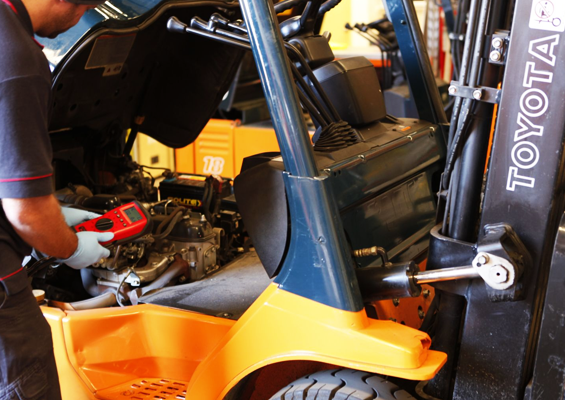
- Maintenance and support: Consider equipment servicing, spare parts availability and ongoing maintenance requirements.
So, is a BT Reach Truck better than a conventional forklift?
There is no one-size-fits-all answer. Both types of equipment offer different advantages depending on warehouse requirements and material handling applications. If your priority is maximising storage density, operating in narrow aisles and handling pallets at greater heights, a BT Reach Truck may be the more suitable solution. However, if your operations involve general material handling, heavier loads and indoor-outdoor transportation, a conventional forklift may offer greater versatility.
Ultimately, choosing the right equipment requires a clear understanding of your warehouse layout, operational requirements and long-term business objectives. By selecting suitable material handling equipment, businesses can improve warehouse organisation, optimise available space and support more efficient day-to-day operations.